Culture & Heritage
Our Past, Our Identity, Our Future
Khmer Culture and Heritage Melbourne reflects the traditions, language, faith and history that continue to connect Cambodian Australians with their roots.
Our heritage is what we have inherited from those who came before us. Our culture is how we continue to live, practise and share that inheritance today.
Together, they tell the story of who we are, where we came from, and what we hope to pass on to future generations.
For Khmer people living in Australia, preserving our culture and heritage is especially meaningful. We have built new lives in a new country, but Cambodia remains part of us — in our language, our values, our traditions, our celebrations, our food, our music and dance, and in the respect we show to our parents, elders and community.
A Heritage to Be Proud Of
Cambodia has a remarkable history stretching back many centuries.
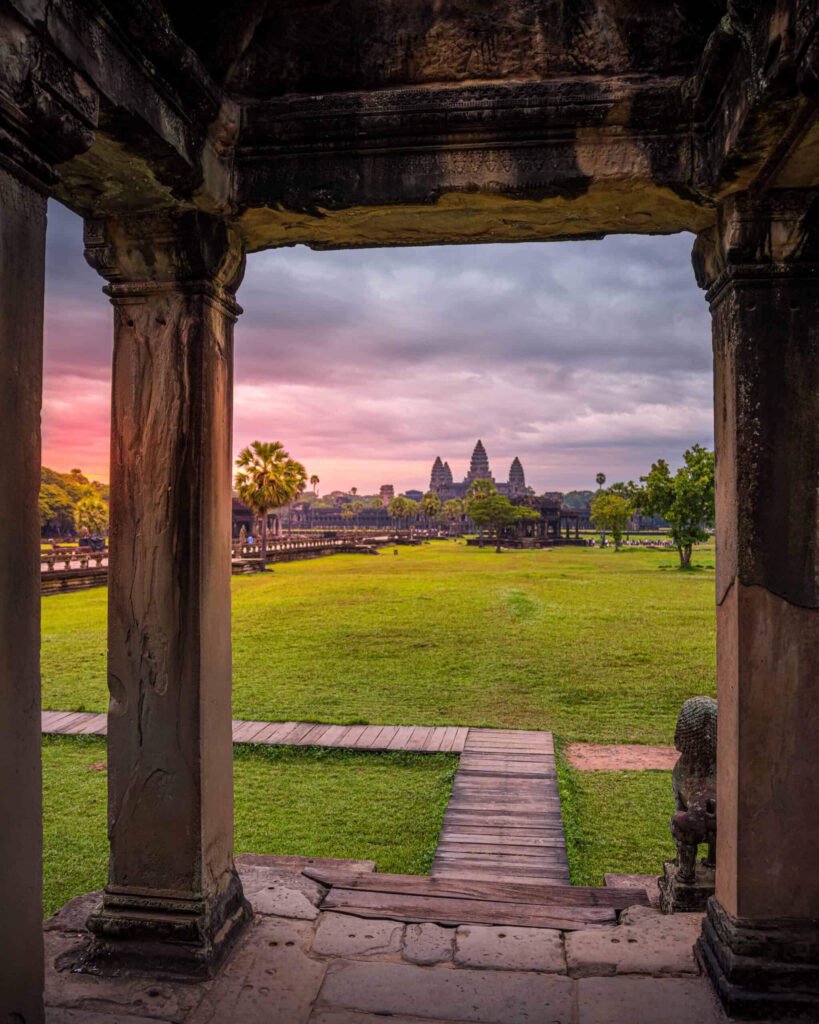
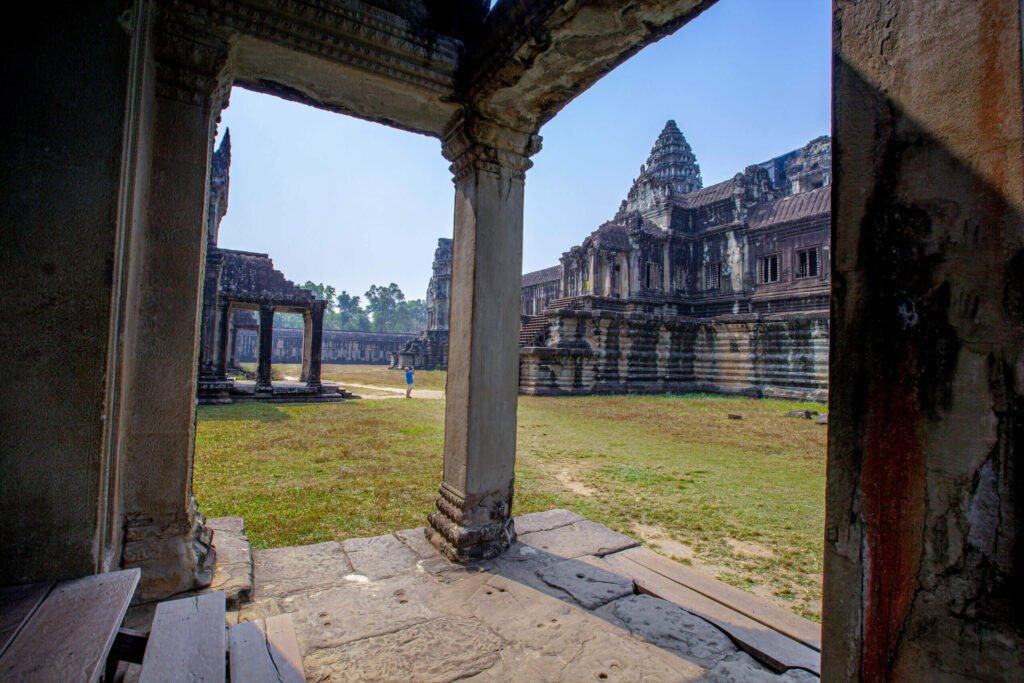
Perhaps its most recognised symbol is Angkor Wat, but Angkor represents much more than a magnificent ancient temple.
It reminds us of the extraordinary achievements of our ancestors in architecture, engineering, art, agriculture and spiritual thought.
The temples of Angkor, the intricate stone carvings, ancient reservoirs and waterways, traditional Khmer arts and the Khmer language itself are all part of an inheritance that connects today’s Cambodian people with generations who lived long before us.
Our heritage is not only found in monuments.
It also lives in the stories told by our grandparents, the words of our language, traditional music and dance, recipes passed through families, ceremonies, customs and the values taught from one generation to another.
Culture Is Heritage Kept Alive
Heritage belongs to our past, but culture lives in the present.
Every time a family speaks Khmer at home, prepares traditional food, teaches a child to greet an elder respectfully, celebrates Khmer New Year, remembers ancestors during Pchum Ben, participates in Kathin, or gathers together at the temple, another small part of Khmer culture continues.
Culture does not have to remain exactly as it was generations ago. It naturally grows and changes.
Our children and grandchildren may grow up speaking English, studying and working in Australia, and experiencing the world very differently from their parents and grandparents. They can be proudly Australian while also understanding and appreciating their Cambodian roots.
The two identities do not need to compete with one another.
They can enrich each other.
Khmer Culture and Heritage Melbourne — Connecting Generations
One of the greatest challenges for a community living far from its ancestral homeland is ensuring that the connection between generations is not lost.
Our elders carry memories, knowledge and traditions that cannot always be found in books or on the internet. Younger generations bring new ideas, new technology and new ways of communicating with the world.
There is something valuable in both.
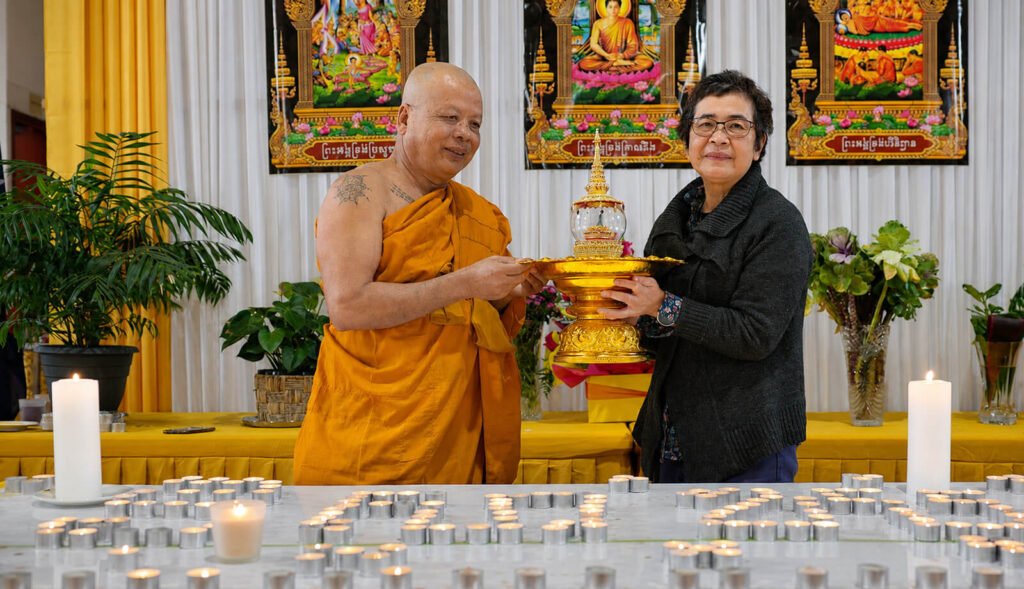
We hope Wat Buddharangsi can help provide a bridge between these generations — a place where elders can share what they know and where younger people can discover their heritage, ask questions and understand why these traditions continue to matter.
Preserving culture should not simply mean telling young people, “This is what you must do.”
It should also mean explaining:
“This is where it came from. This is why our parents and grandparents valued it. And this is why we hope you will know its story.”
Understanding creates a much stronger connection than obligation.
More Than Something We Inherited
Our culture and heritage survived periods of extraordinary hardship.
During the Khmer Rouge period, Cambodia lost not only countless lives, but also teachers, monks, artists, scholars and custodians of generations of knowledge. Families were separated, temples and institutions were damaged, and many traditions were placed in danger.
Yet Khmer culture endured.
Cambodians carried it with them when they rebuilt their lives around the world — including here in Australia.
They rebuilt temples, formed communities, celebrated traditional festivals, taught their children Khmer customs and continued the practices they remembered from home.
That makes our heritage particularly precious.
What we have today was not simply inherited. It was also protected, remembered and rebuilt.
Passing It Forward
Preserving Khmer culture and heritage does not mean living in the past.
It means knowing the past well enough to carry its best qualities into the future.
We hope future generations will know the beauty of the Khmer language, understand the significance of Angkor, recognise our traditional arts and celebrations, respect the sacrifices of earlier generations, and continue the values of kindness, generosity, gratitude and respect that have long been important within our community.
They may express their Khmer identity differently from their parents or grandparents — and that is part of culture continuing to evolve.
What matters is that the connection remains.
At Wat Buddharangsi, we hope to help preserve that connection — between Cambodia and Australia, between our elders and our young people, and between the heritage we inherited and the culture we are creating today.
Our heritage tells us where we came from.
Our culture shows who we are today.
Together, they help us carry our Khmer identity into the future.