Water Festival
Celebrating Water, Nature and Cambodian Heritage
The Cambodian Water Festival, commonly known as Bon Om Touk (បុណ្យអុំទូក)
is one of Cambodia’s great traditional celebrations. Held around the full moon in November, it brings together ancient traditions connected with water, the changing seasons, gratitude, community and Cambodia’s long relationship with its rivers.
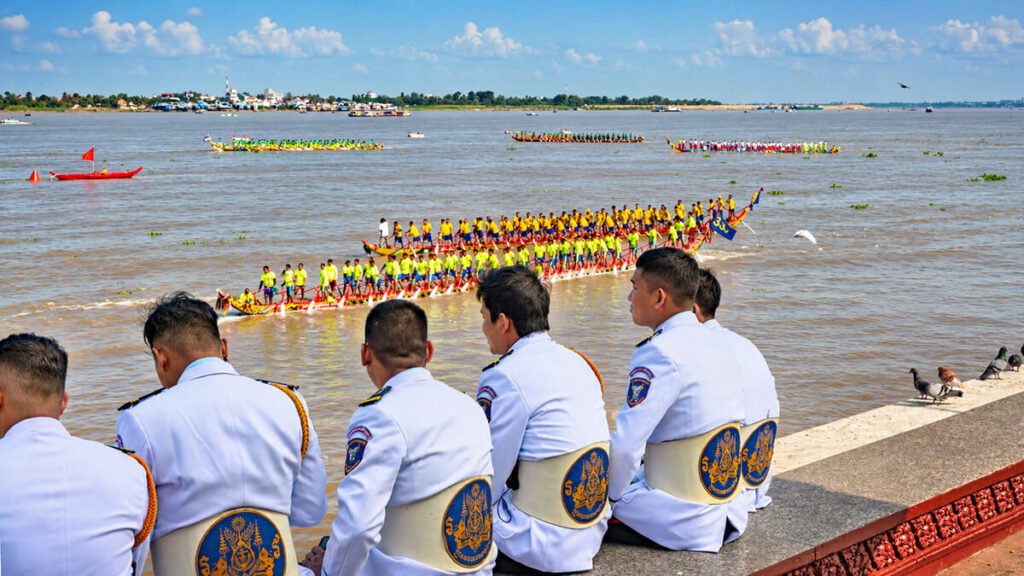
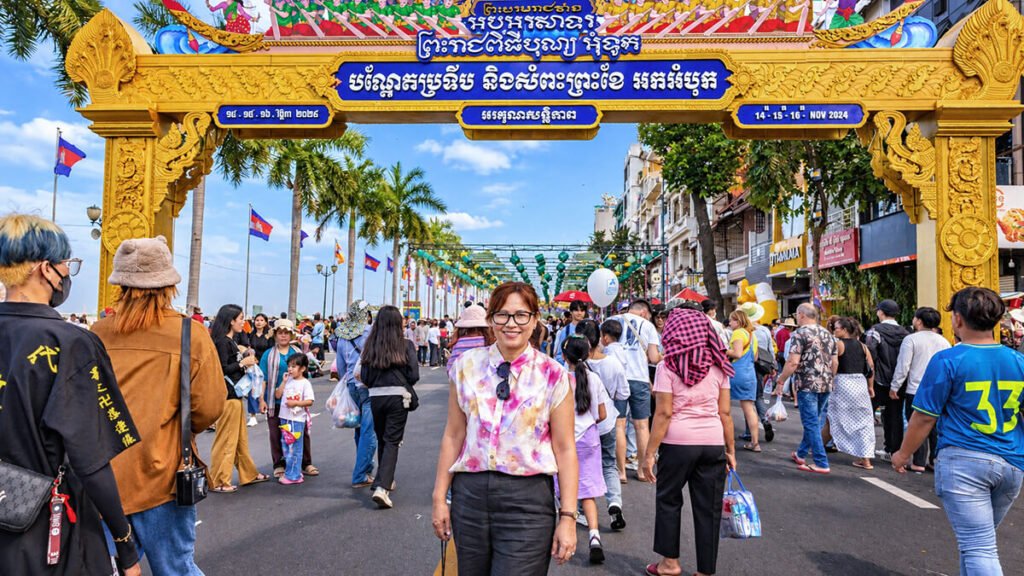
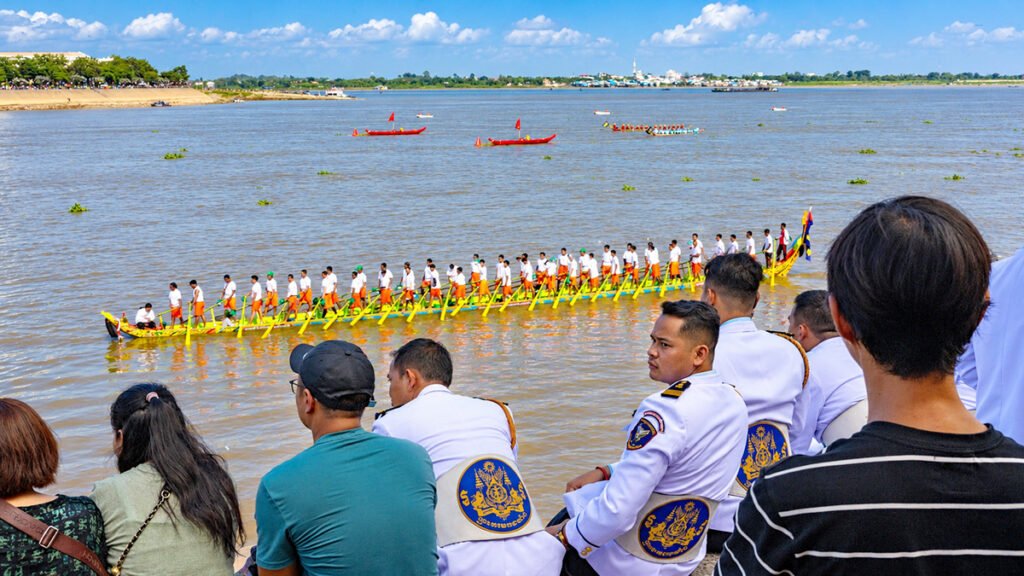
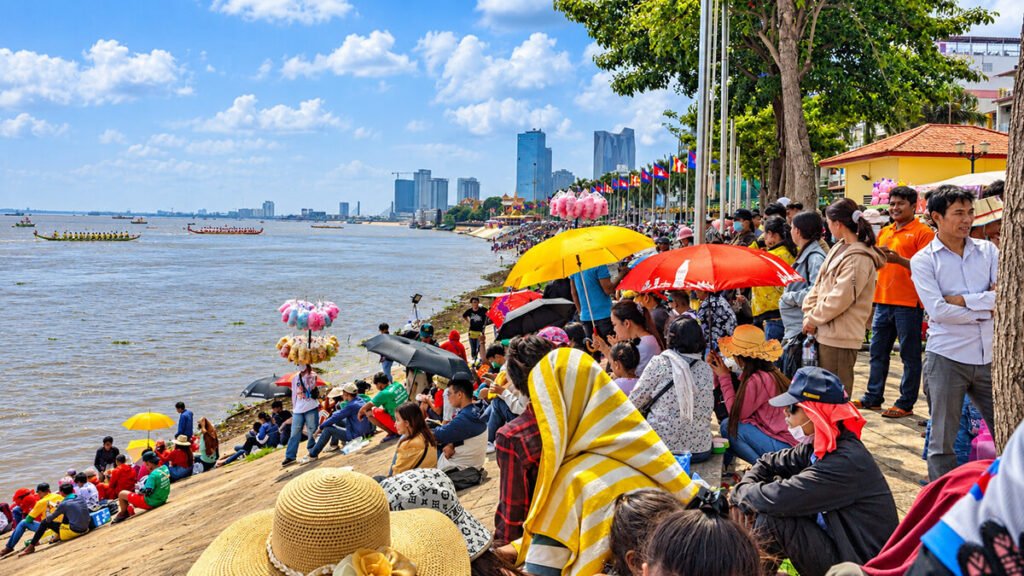
In Cambodia, the festival is famous for spectacular boat races, illuminated boats, crowds gathering along the riverfront, music and celebrations. It also includes traditions such as Sampeah Preah Khae, the salutation to the moon, and Ok Ambok, the eating of roasted flattened rice, traditionally with banana or coconut.
Behind the colour and excitement, however, is a deeper story.
The Water Festival reflects the importance of water to Cambodian life — to agriculture, fishing, food, transportation and the rhythm of the seasons.
Why Cambodia Celebrates Water
To understand the Water Festival, we first need to understand Cambodia’s extraordinary relationship with the Mekong and Tonle Sap.
During the rainy season, rising waters in the Mekong cause the Tonle Sap River to reverse its normal direction and flow toward the Tonle Sap Lake. The lake expands enormously, flooding surrounding forests and creating one of the world’s most productive freshwater ecosystems.
When the wet season ends and the Mekong falls, the Tonle Sap River changes direction again and water begins flowing out of the lake.
This remarkable annual cycle has supported Cambodian communities, agriculture and fisheries for generations. UNESCO describes the Tonle Sap as one of Southeast Asia’s most important freshwater ecosystems and notes that millions of people depend directly or indirectly upon it for their livelihoods and food security.
The Water Festival occurs around this seasonal transition and marks the end of the monsoon. It expresses gratitude to nature — particularly water — for sustaining life and providing productive harvests.
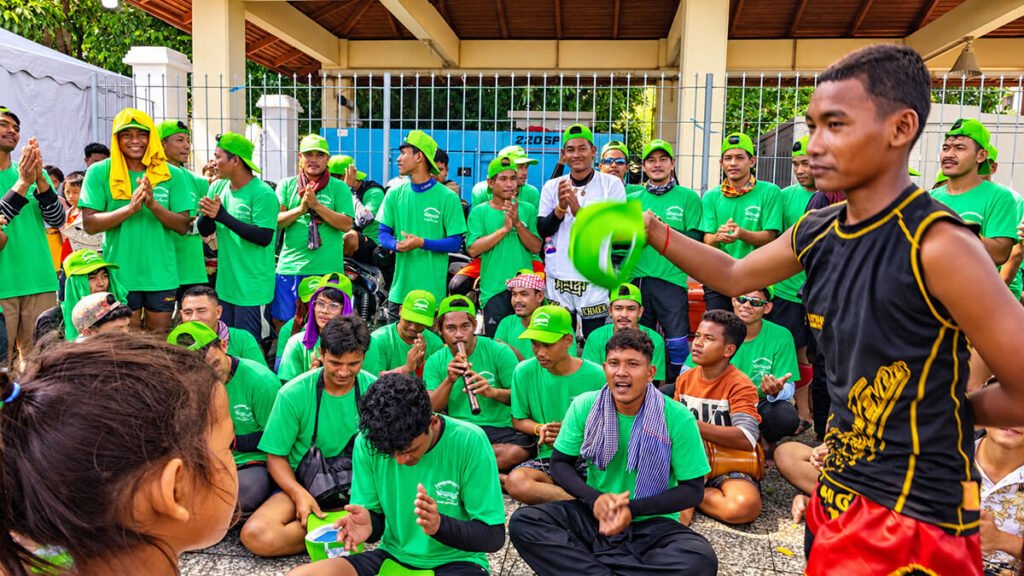
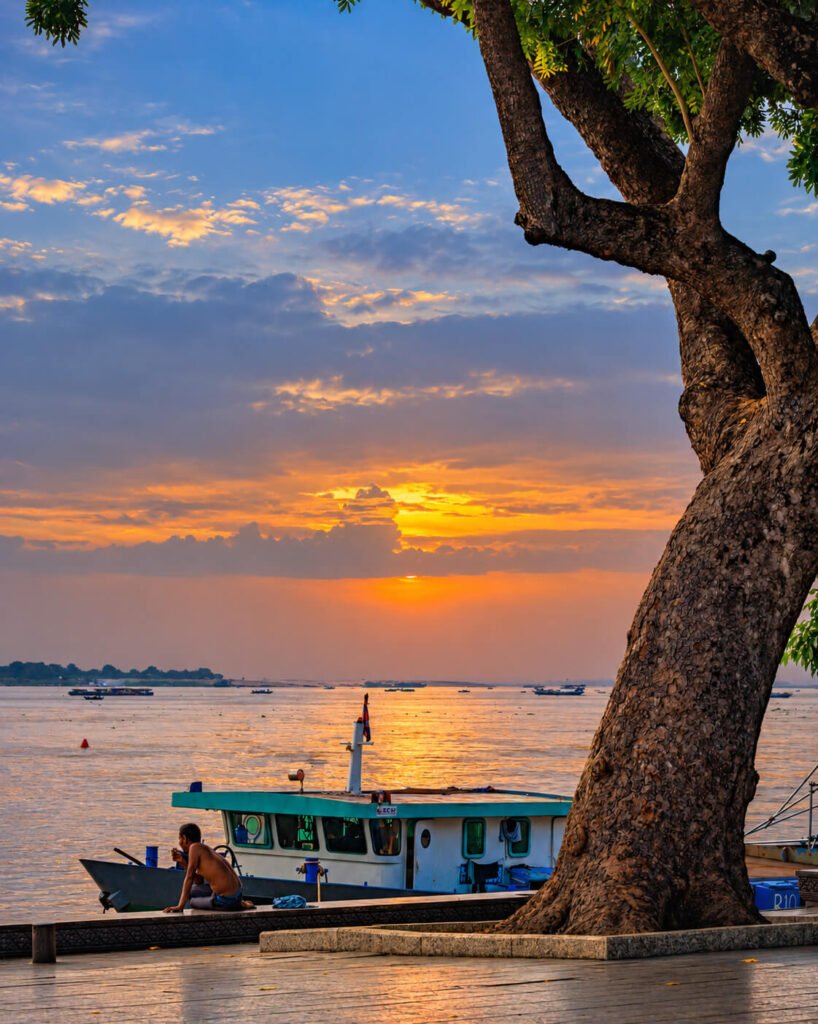
From Water to the Water Festival
For Cambodian people, water has never simply been part of the landscape.
It has shaped where people live, how rice is cultivated, how communities travel and trade, and how families obtain food.
The annual rise and fall of Cambodia’s waterways therefore became much more than a natural event. It became part of the rhythm of Cambodian life.
Over generations, traditions surrounding this seasonal change developed into the great celebration we now recognise as the Water Festival.
Today, the festival brings together several distinctive traditions: boat racing, illuminated boats, honouring the moon, Ok Ambok and community celebration.
Together, these customs express gratitude for water and nature while celebrating Cambodian culture and heritage.
The Tradition of Boat Racing
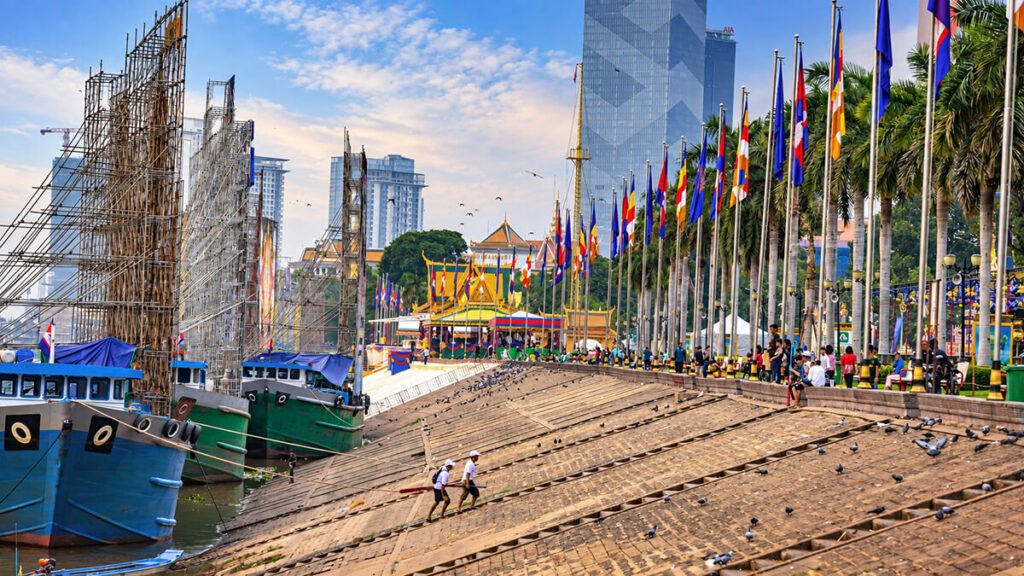
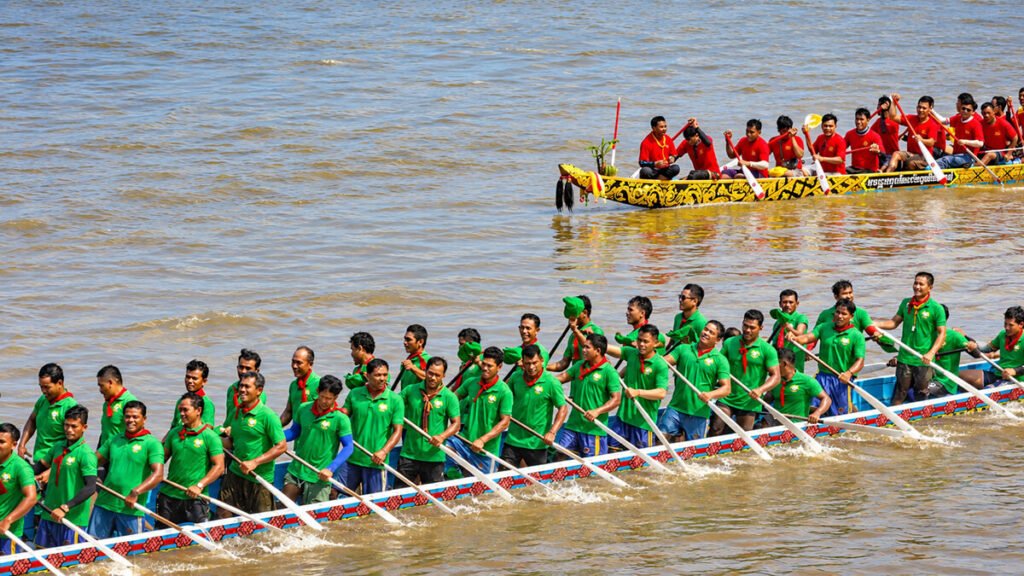
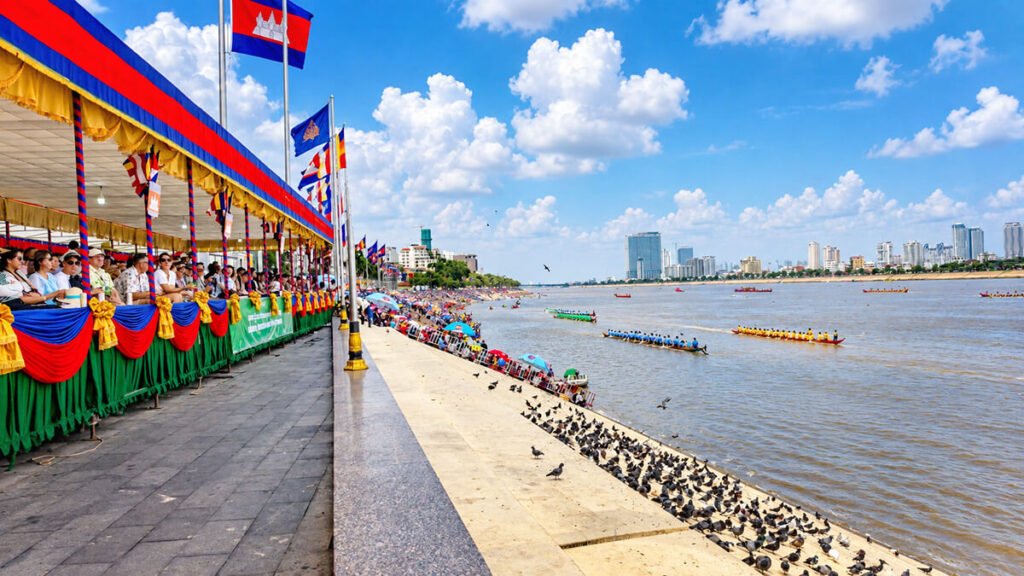
The most recognisable symbol of the Water Festival is undoubtedly the long racing boat.
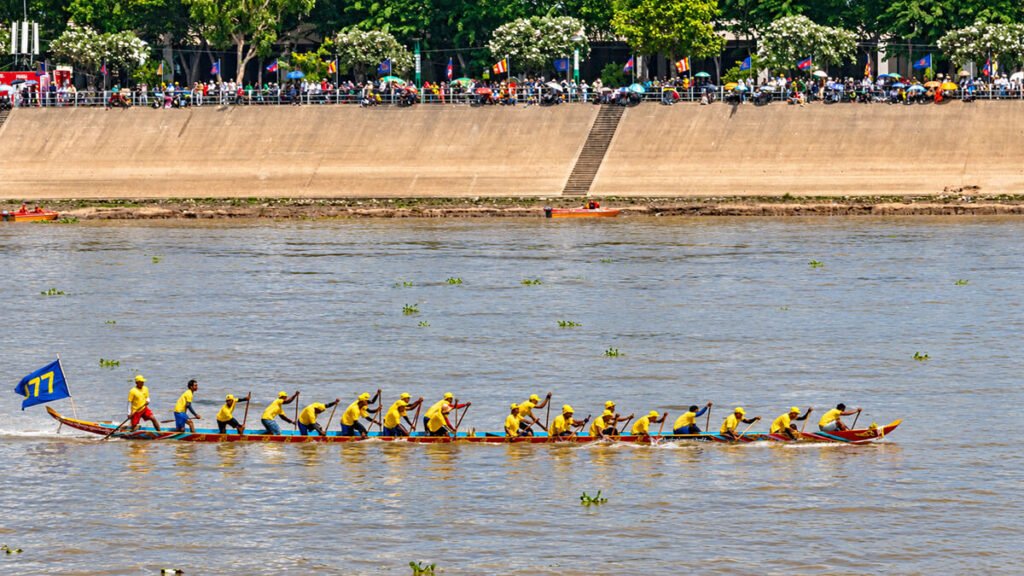
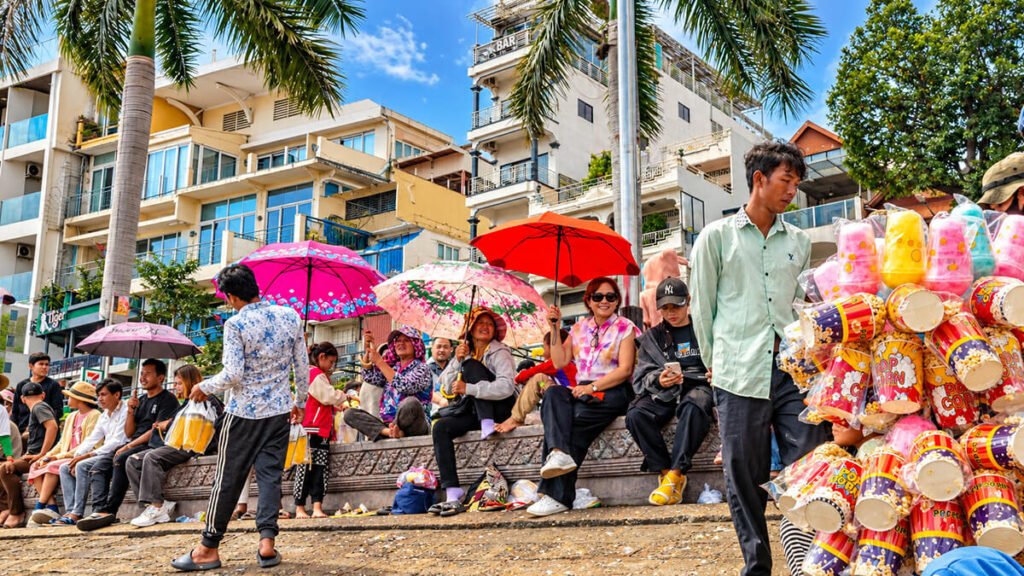
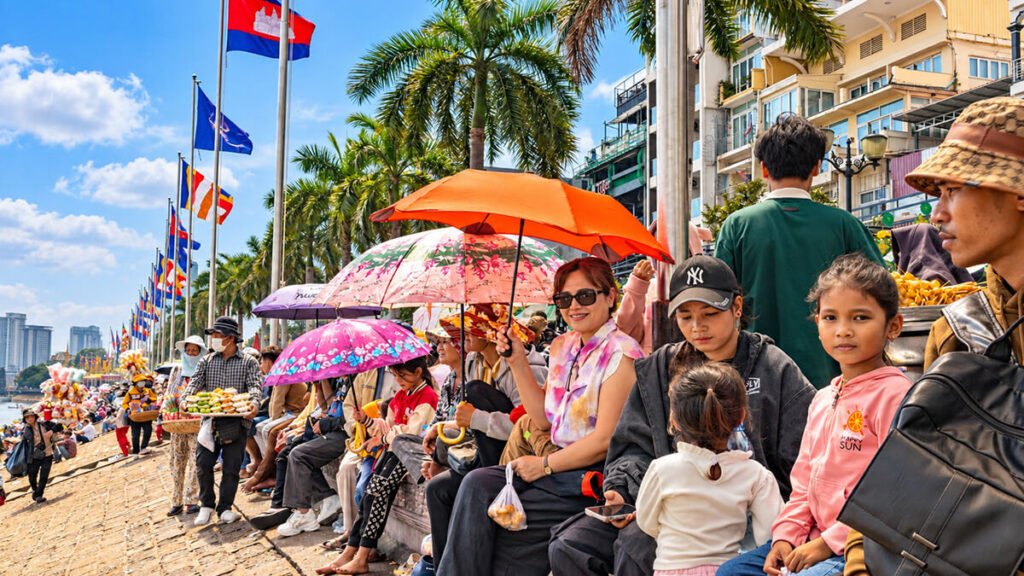
Teams train and compete in colourful boats while enormous crowds traditionally gather along the riverbanks to watch.
The races are exciting, but they also demonstrate something important about community.
A racing boat cannot move effectively through the strength of one person alone. Every rower must work together, following the same rhythm and moving toward the same destination.
For this reason, the boat can also provide a beautiful modern lesson for younger generations:
Strength comes from working together.
The races bring villages, pagodas and communities together and have become one of the strongest visual symbols of the Water Festival.
The Moon and Ok Ambok
The Water Festival is not only about boats.
The full moon also holds an important place in the traditional observance.
Sampeah Preah Khae (សំពះព្រះខែ) is the salutation or offering of respect to the moon. Families and communities traditionally prepare offerings and give thanks during the full-moon celebration.
Another well-known tradition is Ok Ambok (អកអំបុក). Ambok is rice that has been roasted and flattened and is traditionally eaten with ingredients such as banana or coconut. It forms part of the festival’s moon-related observances.
These traditions remind us that the Water Festival is not simply a sporting event.
It brings together nature, gratitude, food, family, spirituality and celebration.
Light Upon the Water
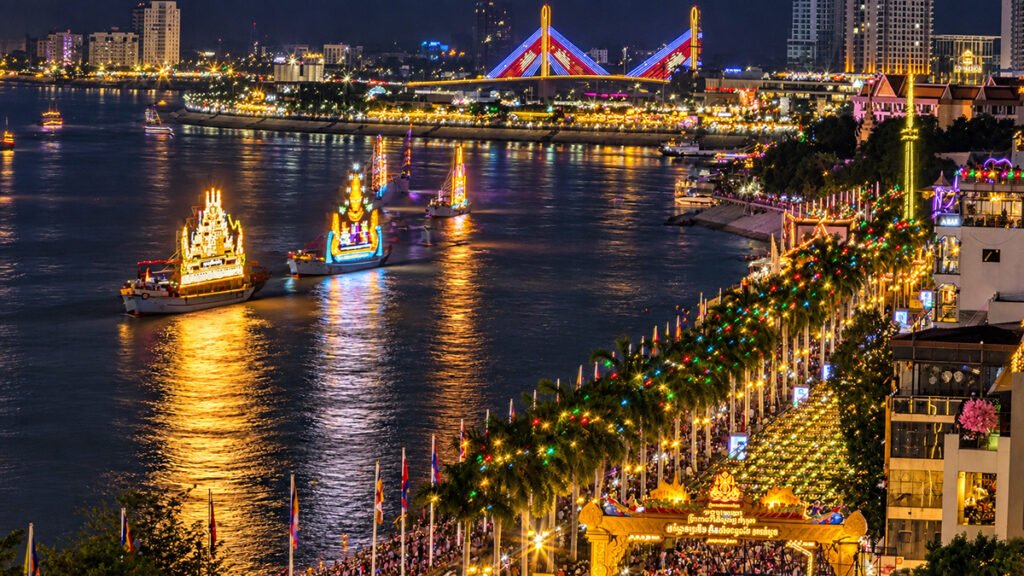
Another beautiful feature of the Water Festival is Loy Pratip, traditionally associated with illuminated boats and lights upon the water.
At night, light reflected across the river transforms the atmosphere of the festival.
Water and light together carry powerful symbolism. Water sustains life, while light can represent hope, wisdom and the wish for wellbeing and prosperity.
Modern Cambodian Water Festival celebrations continue to include illuminated boats and lantern-related ceremonies alongside the boat races and moon observances.
It is one of the reasons the festival can feel both joyful and reflective at the same time.
More Than a Festival
For Cambodia, the Water Festival also reminds us how closely human life depends upon the natural environment.
The Tonle Sap is not simply a beautiful lake. Its seasonal expansion creates extensive habitats for fish and wildlife and supports the livelihoods and food security of millions of people.
This gives the traditional celebration a message that remains highly relevant today.
Water should not be taken for granted.
To appreciate water is also to understand our responsibility to care for rivers, lakes and the natural environment that supports human life.
For younger generations, this provides another way to understand an ancient Cambodian tradition in a modern world.
Water Festival in Australia
Celebrating the Water Festival in Australia is naturally different from celebrating it in Cambodia.
We do not have the Tonle Sap flowing past our temple. We do not have the enormous boat races along the Phnom Penh riverfront or crowds stretching along the banks of Cambodia’s great waterways.
But we can still remember what the festival represents.
For Cambodian Australians, the occasion provides another opportunity to come together, visit the temple, pay respect to the monks and reconnect with traditions that remain meaningful even when celebrated far from Cambodia.
The physical setting has changed, but the cultural memory remains.
Children growing up in Australia can learn why water has been so important to Cambodia, why people race boats, why the moon is honoured, what Ok Ambok means and why generations of Cambodians continue to celebrate this occasion.
In this way, the tradition travels with the community.
Water Festival at Wat Buddharangsi
At Wat Buddharangsi, we may not be able to recreate the scale of the Water Festival celebrated along Cambodia’s rivers, nor do we need to.
Our role can be simpler.
The temple provides a place where Cambodian families can gather, pay respect to the monks, make merit, meet friends and community members, and remember the traditions associated with this important Cambodian occasion.
For elders, it may bring memories of celebrations they have known throughout their lives.
For parents, it provides an opportunity to explain those traditions.
And for children growing up in Australia, the temple can help turn something they may have only seen in photographs or videos from Cambodia into part of their own understanding of Cambodian culture.
They may not stand beside the Mekong or Tonle Sap, but they can still understand why water is celebrated and why the tradition matters.
Passing the Tradition Forward
The Cambodian Water Festival has evolved through generations, but its connection with water, nature and community remains at its heart.
The boats, moon, food, lights and celebrations each tell part of that story.
For Cambodian Australians, preserving the Water Festival does not mean reproducing every element exactly as it happens in Cambodia.
It means understanding its meaning and giving the next generation an opportunity to understand it too.
When children learn about the rivers, watch the boat races from Cambodia, taste traditional foods, listen to their elders’ stories or join their family at the temple, another small part of Cambodian heritage is passed forward.
The rivers may be far away, but the tradition continues wherever the community remembers its meaning.
Discover more important Buddhist observances and Cambodian traditions throughout the year in our Important Buddhist Calendar
សព្វេ សត្តា ភវន្តុ សុខិតត្តា
May all beings be happy.