Kan Ben - កាន់បិណ្ឌ
Fourteen Days of Remembrance, Merit and Family Tradition
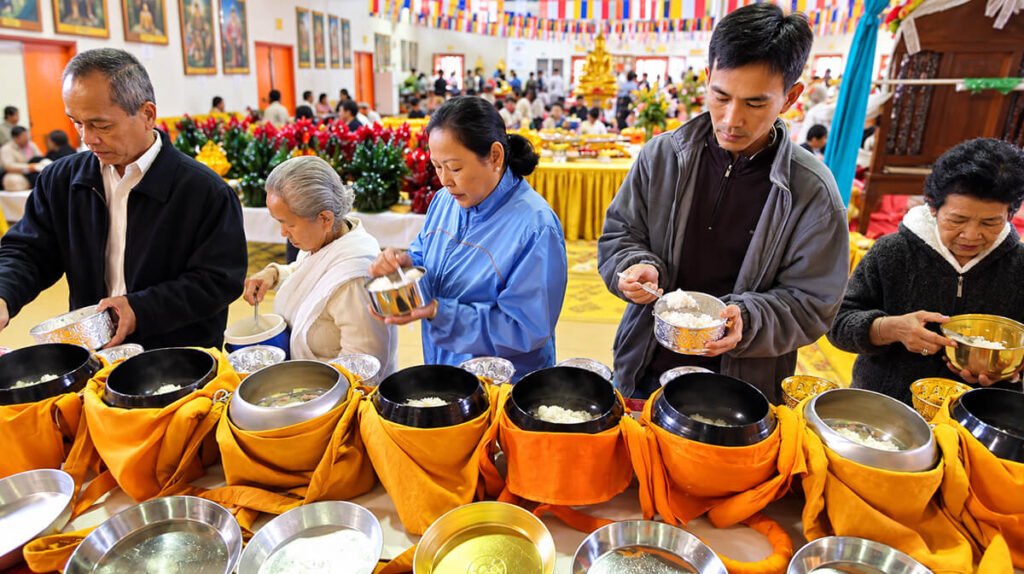
Kan Ben is an important Cambodian Buddhist observance that takes place during the first fourteen days leading up to Pchum Ben. During this period, Cambodian Buddhist families traditionally take turns visiting their local pagodas, bringing food and offerings for the monks, listening to Buddhist chanting and teachings, and dedicating merit to departed relatives and ancestors.
Each day is known as a Ben, beginning with Ben 1 and continuing through Ben 14. Different families or groups may take responsibility for preparing offerings on particular days, allowing the community to support the Sangha throughout the observance.
Kan Ben is therefore more than a preparation for Pchum Ben. It is a period of generosity, remembrance and spiritual reflection that brings families, monks and the wider community together.
The Meaning of Kan Ben
At the heart of Kan Ben is the Buddhist practice of making merit and dedicating that merit to those who have passed away.
Families prepare food and other offerings and present them to the Sangha. Through acts of generosity, prayer and Buddhist practice, they remember parents, grandparents and ancestors who are no longer with them.
The observance also reminds the living to reflect upon their own actions.
Remembering those who came before us can encourage gratitude toward our parents and grandparents, respect for family, generosity toward others and greater awareness of how we live our own lives.
In this way, Kan Ben connects remembrance of the past with the way we choose to live in the present.
Kan Ben in Cambodian Tradition
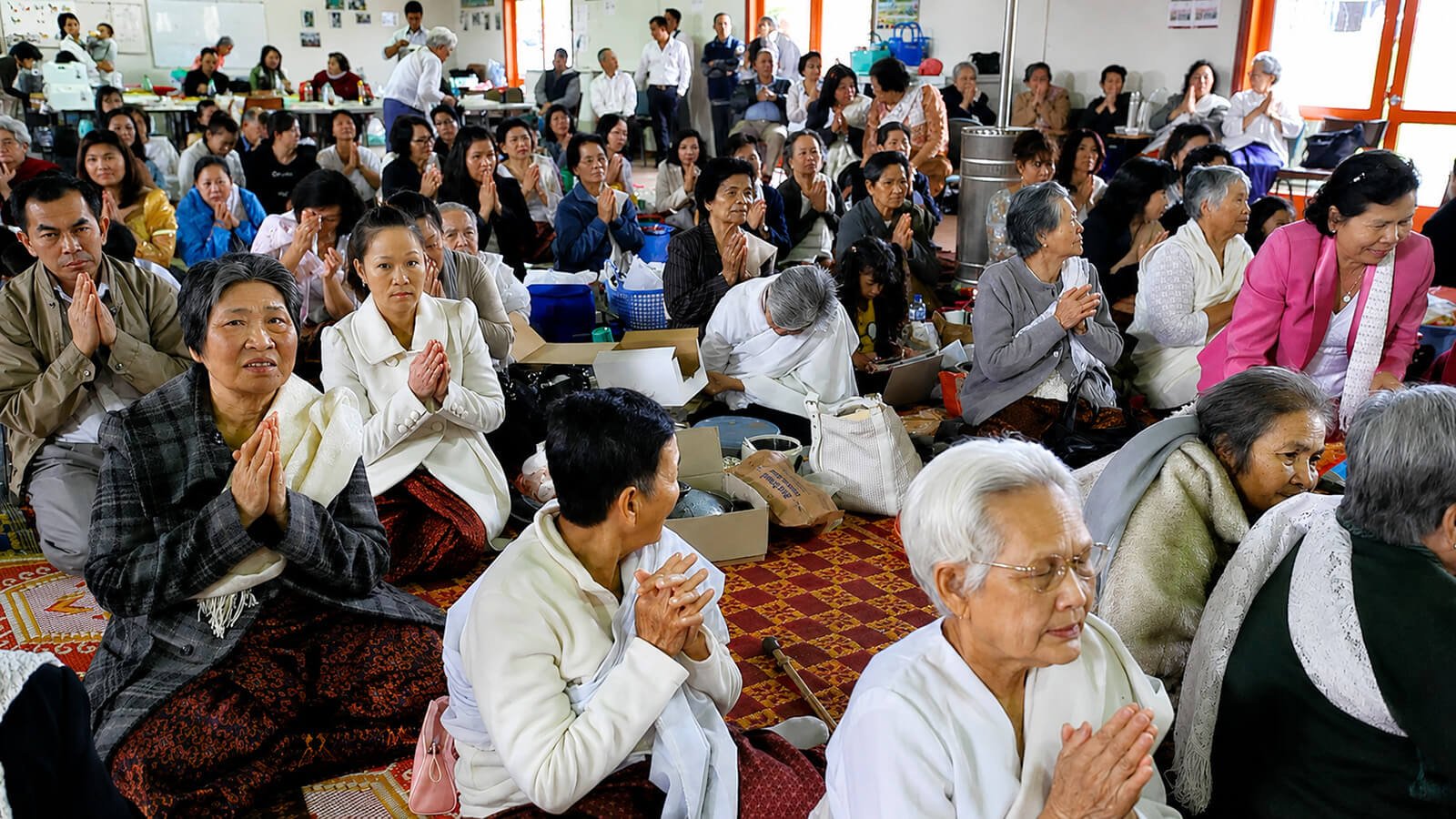
During the fourteen days of Kan Ben, Cambodian families traditionally visit pagodas according to the day on which their family or group is observing Ben.
Food is prepared and brought to the temple to be offered to the monks. Families may also bring flowers, candles, incense and other necessities.
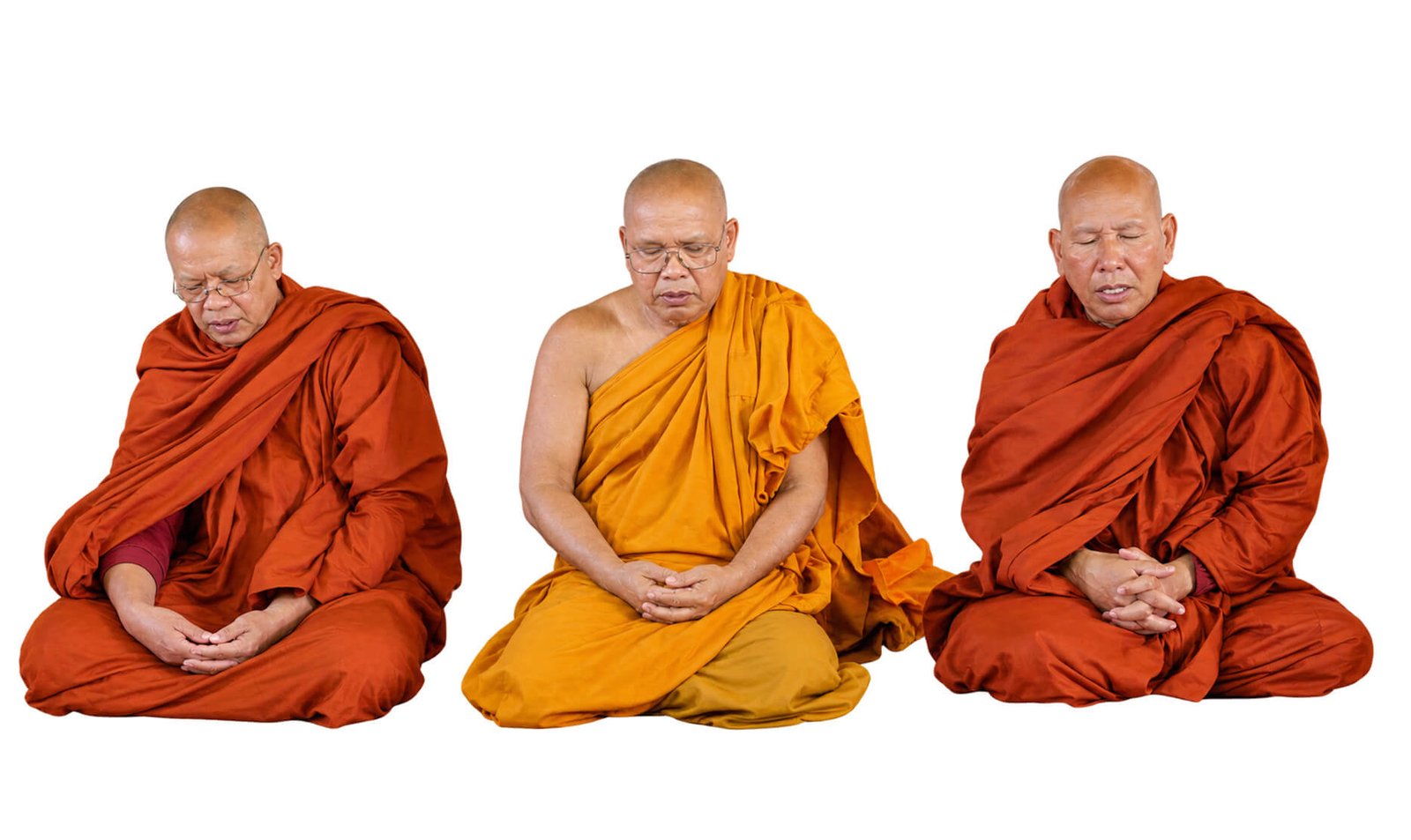
Monks chant and perform Buddhist ceremonies, while devotees pray and dedicate the merit of their good deeds to departed relatives and ancestors.
Early morning is particularly significant in traditional observances. Some Cambodian customs also include preparing bay ben, small portions or balls of rice associated with remembrance of departed beings.
Yet the deeper meaning of Kan Ben is not found only in the offerings themselves. It is found in the intention behind them — gratitude, generosity, remembrance and compassion.
From Kan Ben to Pchum Ben
Kan Ben and Pchum Ben are closely connected, but they are not exactly the same.
Kan Ben refers to the first fourteen days of the observance. Pchum Ben is the culminating fifteenth day, when families gather in greater numbers to visit pagodas, make offerings and remember their ancestors.
Understanding this distinction is especially useful for younger generations, who may hear the name Pchum Ben used for the whole festival without realising that the days preceding it have their own name and purpose.
The fourteen days of Kan Ben gradually lead the community toward Pchum Ben, creating a continuous period of Buddhist practice, generosity and remembrance.
Kan Ben in Australia
For Cambodian families in Australia, observing Kan Ben may look somewhat different from life in Cambodia.
Work, school and distance can make it difficult for families to attend the temple on every one of the fourteen days. Yet the meaning of Kan Ben does not depend upon reproducing every detail exactly as it is practised in Cambodia.
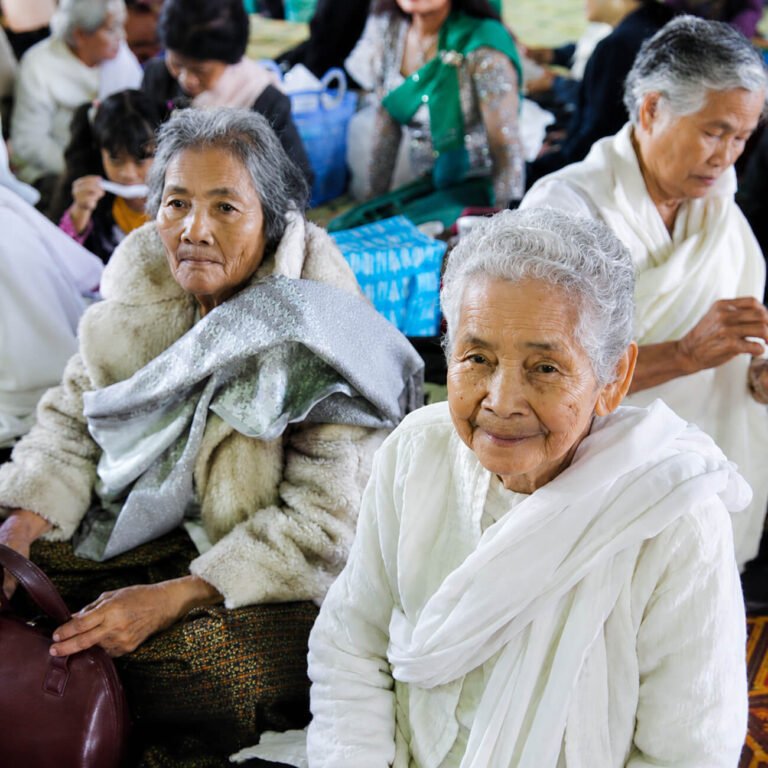
Families can participate when circumstances allow — visiting the temple, preparing food, making offerings, listening to the monks and remembering parents, grandparents and ancestors.
The temple becomes an important place where these traditions can continue and where children growing up in Australia can experience them firsthand.
They can see families preparing offerings together, hear Khmer and Pāli chanting, observe their elders showing respect to the Sangha, and begin to understand why remembrance and gratitude remain important in Cambodian Buddhist life.
Helping Young Cambodian Australians Understand Kan Ben
For a young child, fourteen days of ceremonies may initially seem difficult to understand.
The meaning can be explained much more simply:
We remember the people who came before us.
We are grateful for what they gave us.
We do good and share with others in their memory.
A child may never have met some of the ancestors being remembered. But they can still learn that they are part of a family whose story began long before they were born.
Parents and grandparents can use Kan Ben as an opportunity to talk about family members, show old photographs, explain family relationships and teach children the names of grandparents and ancestors.
This gives the Buddhist observance a very personal meaning.
Rather than children simply being told that they must go to the temple because it is tradition, they can begin to understand why their family remembers and why their family gives.
The Meaning of Giving
Food plays an important role during Kan Ben, but the Buddhist meaning goes deeper than preparing and offering a meal.
Giving teaches generosity.
Preparing something for another person requires effort and care. Offering it without expecting something in return helps cultivate a generous heart.
For children, this can be one of the simplest lessons of Kan Ben. They can help their parents prepare something, carry an offering, place food respectfully, or participate quietly in the ceremony.
Through these small actions, they begin to experience generosity rather than simply hearing about it.
Remembering with Gratitude
Kan Ben reminds us that remembrance does not need to be filled only with sadness.
It can also be an expression of gratitude.
We remember the love, sacrifices, teachings and kindness received from parents, grandparents and generations before us.
We honour them by performing wholesome actions and by trying to carry good values into our own lives.
For Cambodian Buddhists in Australia, Kan Ben therefore provides a meaningful connection between Buddhist faith, family memory and the next generation.
Across fourteen days, the simple acts of preparing food, visiting the temple, making offerings and remembering those who came before us lead naturally toward the final and most important day — Pchum Ben.