បុណ្យកឋិនទាន
Kathina Robe Offering – A Rare Opportunity for Merit
បុណ្យកឋិនទាន – A Rare and Sacred Tradition of Giving
Kathina Melbourne is a special time for the Khmer Buddhist community to come together in generosity, faith and support of the Sangha. At Wat Buddharangsi, the Kathina robe offering continues an ancient Buddhist tradition observed by generations of Khmer families.
Among the many Buddhist ceremonies observed by Khmer communities, Kathina (កឋិន) holds a particularly special place.
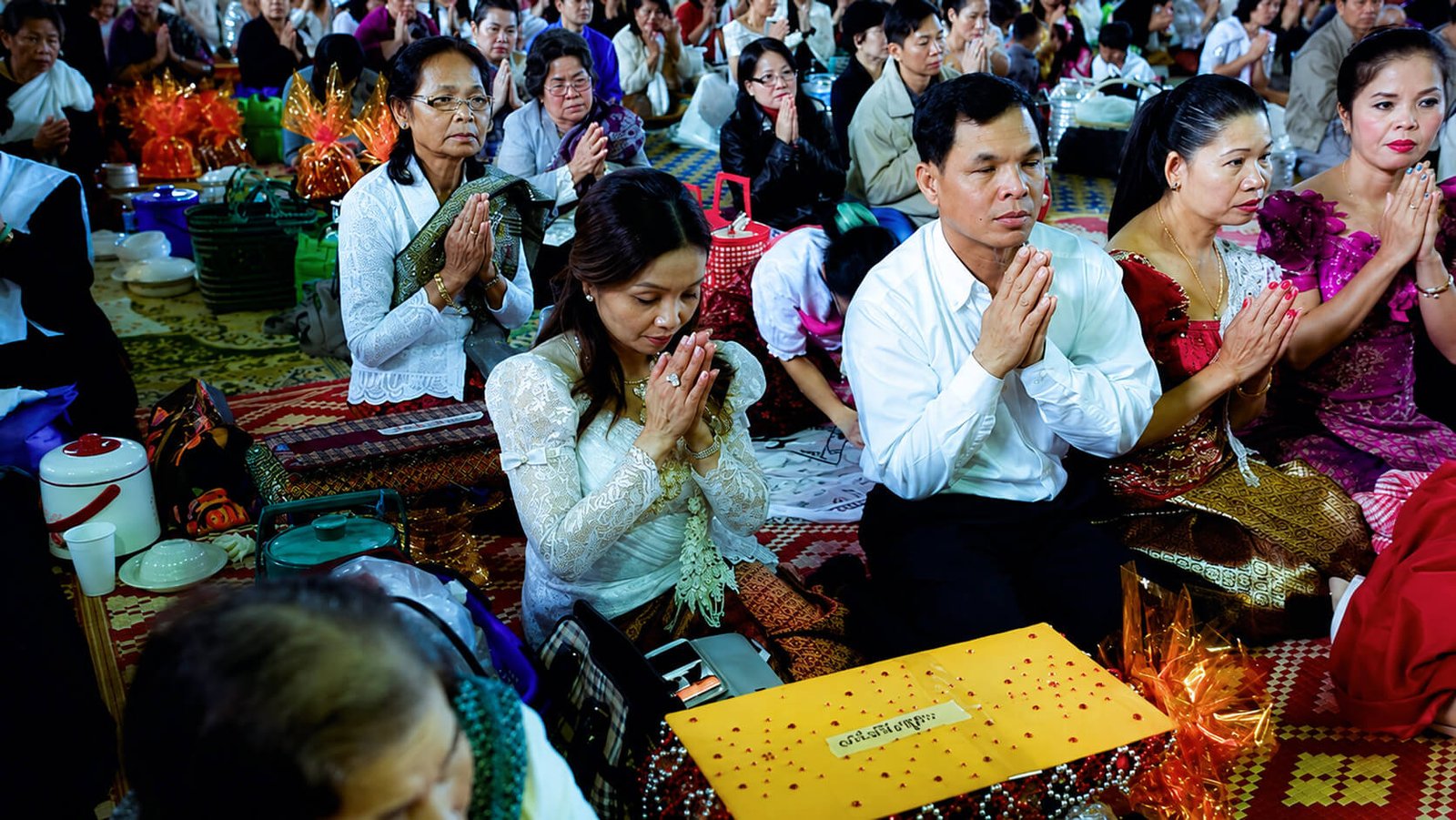
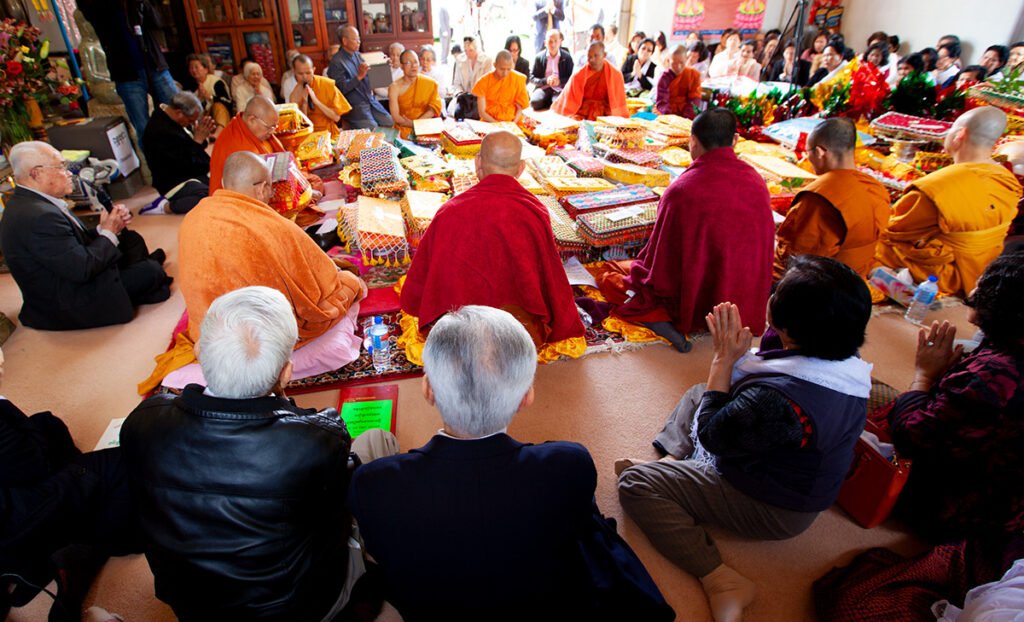
To someone seeing a Kathina ceremony for the first time, it may appear to be a colourful community gathering — families carrying offerings, monks in their robes, prayers and chanting, food being shared and people coming together at the temple.
But Kathina is much more than an annual celebration.
Unlike many Buddhist ceremonies, Kathina cannot simply be organised whenever we wish.
It can only take place under particular conditions, during a limited period of the year, and according to rules established within the Buddhist monastic tradition.
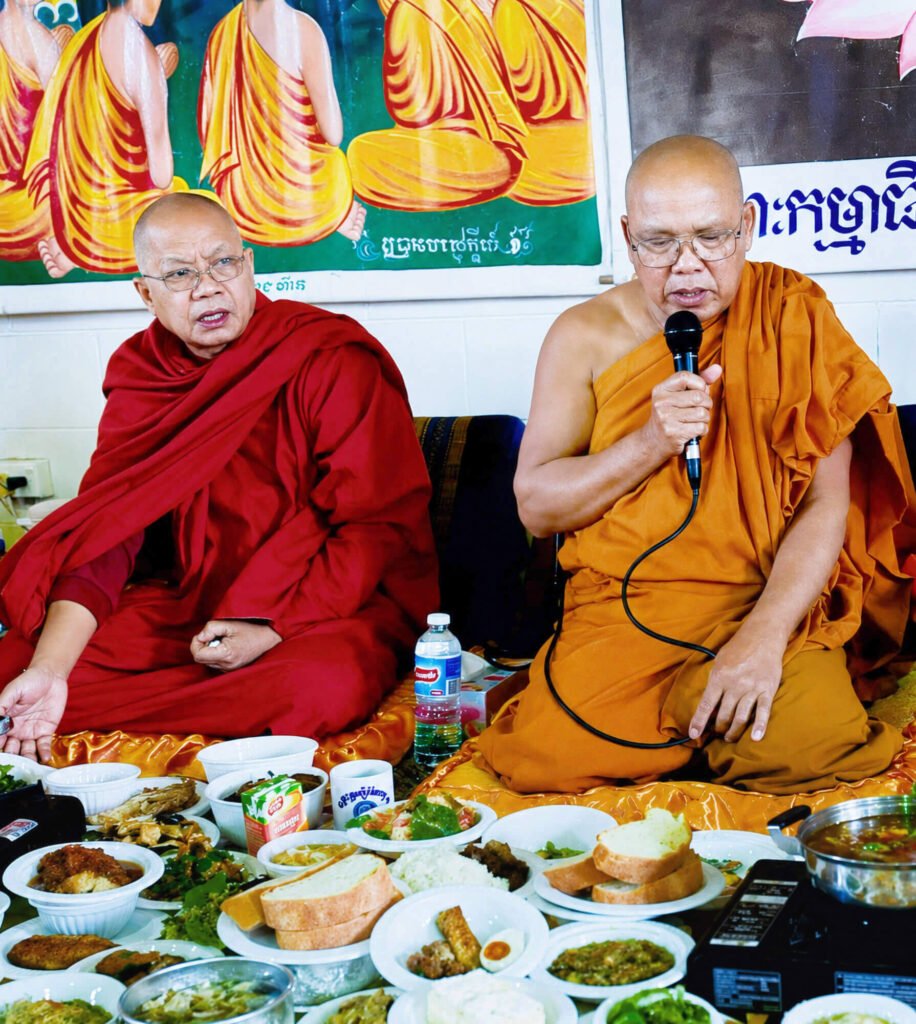
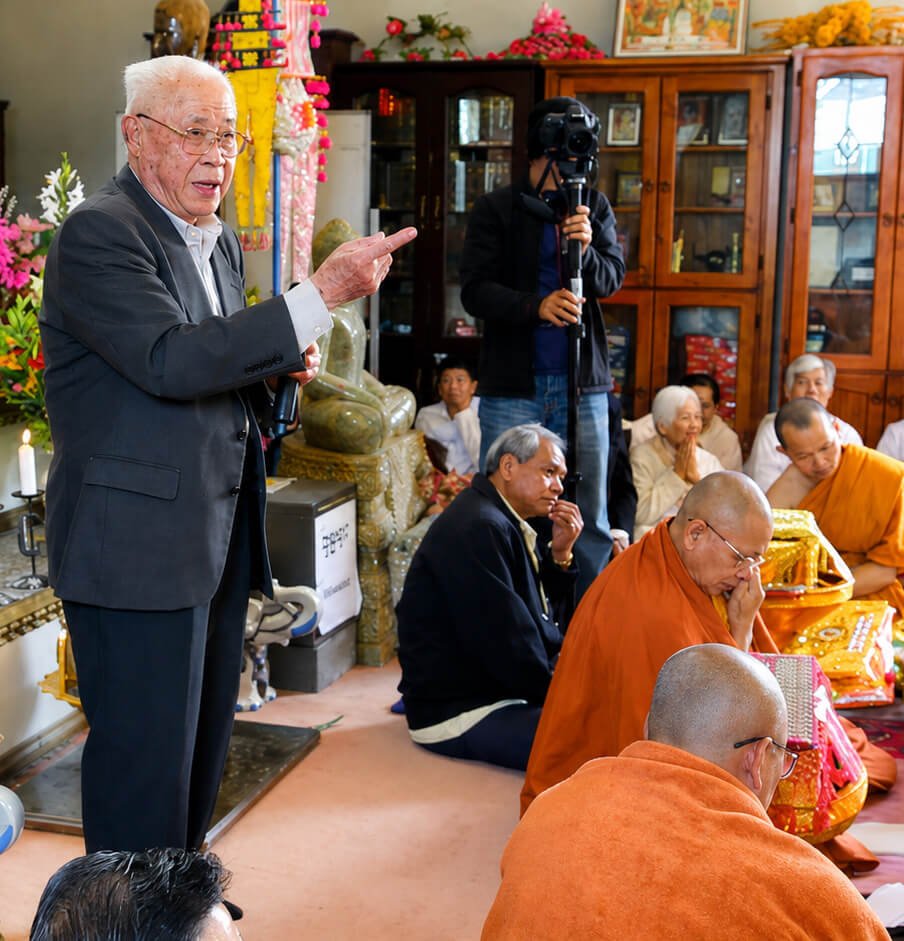
As លោកព្រះគ្រូមហា ឃុន ប៊ី explains, this is one of the reasons Kathina is considered កម្រ — rare and precious.
Why Is Kathina So Special?
Kathina is closely connected with Vassa (វស្សា) — the traditional three-month rains retreat observed by Buddhist monks.
During this period, monks remain in residence at a monastery and devote themselves more intensively to monastic discipline, study and practice.
Only after completing the rains retreat does the traditional Kathina period begin.
And that opportunity is brief.
The Kathina season lasts for approximately one lunar month — traditionally 29 days.
Once that period has passed, a Kathina ceremony cannot simply be postponed and held later in the year.
This limited opportunity is one reason the ceremony has been treasured by Buddhist communities for generations.
One Temple, One Kathina
There is another important restriction.
A monastery may receive Kathina only once during the Kathina season.
This means that if many families or members of the community wish to participate, they do not each organise a separate Kathina for the same temple.
Instead, they can come together.
One ceremony can therefore represent the generosity of hundreds — sometimes thousands — of people.
This gives Kathina a beautiful communal meaning.
The offering may begin with one person or one family, but the merit-making can bring together the entire community.
The Kathina Cloth and Robe
At the heart of the ceremony is the offering of cloth suitable for making a monastic robe, traditionally connected with one of the three robes used by a Buddhist monk.
These are traditionally understood as the outer robe, upper robe and lower robe.
The Kathina offering is therefore not simply a general donation of possessions.
There are particular requirements concerning the offering, the eligible Sangha and the procedure through which the Kathina cloth is received and allocated.
This is an important distinction.
Kathina is not defined simply by what we give, but also by how, when and under what conditions the offering is made.
The Sangha Must Also Meet Certain Conditions
The rules do not apply only to those making the offering.
The monks receiving Kathina must also satisfy requirements under the Vinaya — the monastic discipline of Buddhism.
Traditionally, a Sangha of at least five eligible monks is required for the formal Kathina procedure, and eligibility is connected with properly completing the approximately three-month rains retreat.
Therefore, simply having robes, donors and monks present does not automatically make a ceremony a valid Kathina.
The proper circumstances must come together.
The time must be right.
The offering must be appropriate.
The Sangha must be eligible.
And the required monastic procedures must be followed.
This helps us understand what លោកព្រះគ្រូមហា ឃុន ប៊ី means when he describes Kathina as something rare.
Its rarity does not come from the material value of the robe.
It comes from the difficulty of bringing all the necessary conditions together.
Merit for Those Who Give and Those Who Receive
Kathina also carries a beautiful Buddhist teaching about the relationship between the lay community and the Sangha.
The lay community supports the monks with material necessities.
The Sangha, in turn, preserves and teaches the Dharma and provides spiritual guidance to the community.
Kathina brings these two sides together.
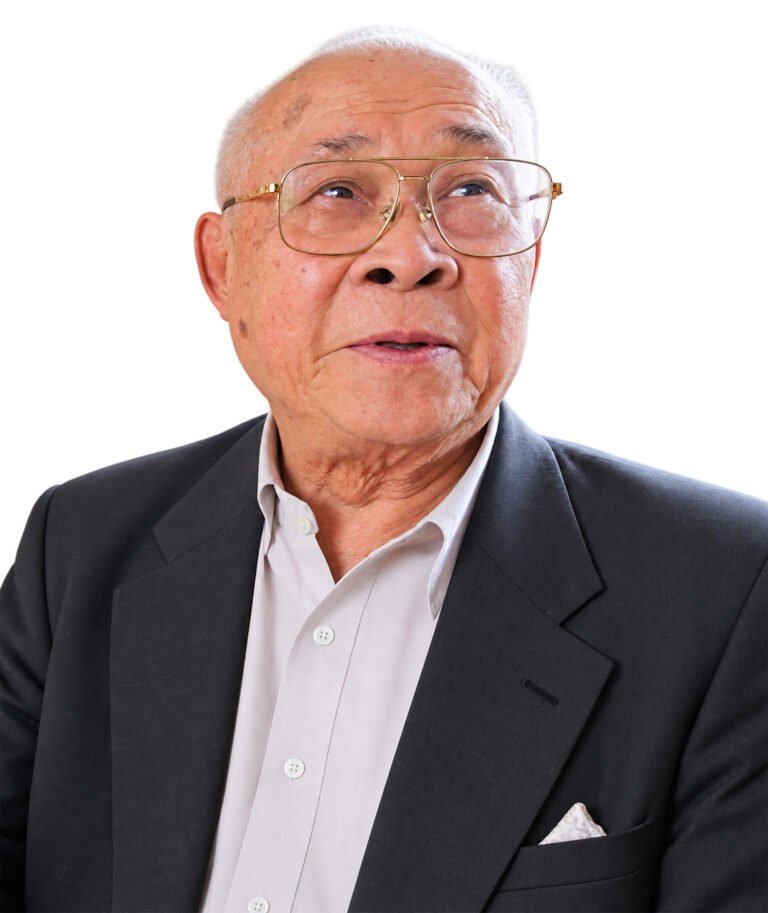
លោកព្រះគ្រូមហា ឃុន ប៊ី
According to Buddhist tradition, the ceremony brings spiritual benefit and merit associated with both giving and receiving in accordance with the Dharma.
For the layperson, participating in Kathina is an act of generosity — dāna (ទាន).
For the Sangha, properly receiving and carrying out the Kathina procedure brings benefits prescribed within the Vinaya.
In this way, Kathina is not simply about giving something from one person to another.
It is an expression of the relationship between Sangha and community that has sustained Buddhism for more than two thousand years.
Why Do People Carry the Offerings So Joyfully?
Anyone who has attended a Khmer Kathina celebration may remember the beautiful sight of people carrying offerings towards the temple.
There may be Kathina cloth and robes, ceremonial trees, flowers and other requisites or donations supporting the monastery and Sangha.
People walk together with happiness and devotion.
For older generations, these scenes may bring back memories of Cambodia.
For younger Khmer Australians, they provide an opportunity to experience a Buddhist tradition that their parents, grandparents and ancestors have observed for generations.
But behind the colourful ceremony is a very simple Buddhist principle:
The joy is not in possessing something. The joy is in giving.
The Blessing of Generosity
Khmer Buddhist tradition also contains many teachings about the karmic fruits of generosity.
One traditional belief associated with making beautiful and respectful offerings — including robes and other requisites to the Sangha — is that generosity may produce favourable results in this life or future lives.
Elders sometimes express this in a very familiar way:
Those who respectfully offer robes and participate in Kathina may receive the karmic fruit of beauty, dignity and a pleasing appearance in a future life.
For younger generations, this teaching should not be understood simply as “give a robe and you will become beautiful.”
The deeper Buddhist principle is about karma and intention.
When we practise generosity with a sincere heart — without greed and without expecting something immediately in return — we cultivate wholesome qualities within ourselves.
The external offering may be cloth.
But the internal practice is generosity.
Kathina Melbourne and the Next Generation of Khmer Australians
For young Khmer Australians growing up here, the rules surrounding Kathina may initially seem complicated.
Why only once a year?
Why only during a particular period?
Why must certain monks have completed the rains retreat?
Why are particular procedures necessary?
But perhaps these very questions provide an opportunity to learn.
Kathina shows us that our traditions were not created simply as social events.
Behind the ceremony is a system of Buddhist discipline that has been preserved and passed from one generation to another for centuries.
Understanding even a little of that meaning changes the experience.
Instead of simply carrying an offering because our parents tell us to, we begin to understand why we are carrying it.
Instead of simply watching the monks perform a ceremony, we begin to understand why that ceremony can only happen under particular conditions.
And instead of seeing Kathina as something belonging only to our parents or grandparents, we begin to recognise it as part of a living heritage that has now reached us here in Australia.
Keeping an Ancient Tradition Alive in Australia
Thousands of kilometres from Cambodia, Kathina Melbourne continues to bring Khmer Buddhist communities together to preserve this ancient tradition.
That is something remarkable.
The surroundings have changed.
The language spoken by younger generations may have changed.
Our daily lives have changed.
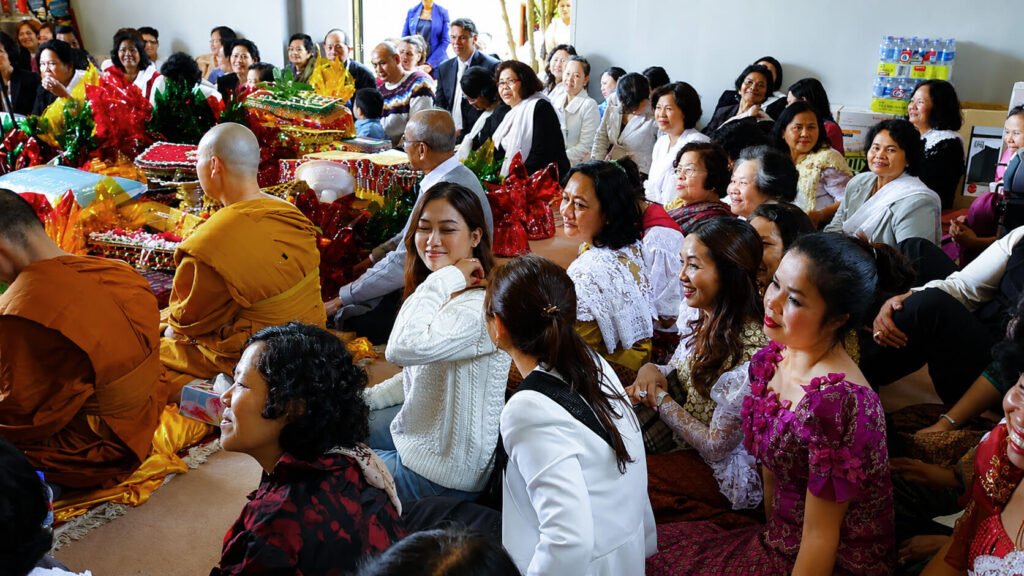
But when monks complete the rains retreat and the community gathers during the Kathina season, we are participating in a tradition that connects us with generations before us.
Parents bring their children.
Grandparents bring their grandchildren.
Young people help carry the offerings.
Families prepare food.
Volunteers work behind the scenes.
The Sangha chants and performs the traditional ceremony.
For a moment, an ancient Buddhist tradition becomes part of contemporary Australian life.
A Rare Opportunity to Give
Perhaps the beauty of Kathina can be understood through one simple idea:
Some opportunities do not come every day.
Kathina teaches us to recognise such an opportunity and use it wisely.
There is a proper time.
There are proper conditions.
There is a community ready to give.
There is a Sangha ready to receive according to the Buddhist discipline.
And when all these conditions come together, we have an opportunity to practise generosity, support the Sangha and continue a tradition inherited from those who came before us.
That is why បុណ្យកឋិនទាន is more than a robe-offering ceremony.
It is a celebration of generosity, discipline, faith and community.
And for Khmer Australians, it is another precious thread connecting our Buddhist faith and Khmer heritage with the generations growing up here in Australia.
The robe may be the offering we can see, but the true gift is the generosity within the heart.