Meak Bochea - មាឃបូជា
A Day to Remember the Buddha's Teaching
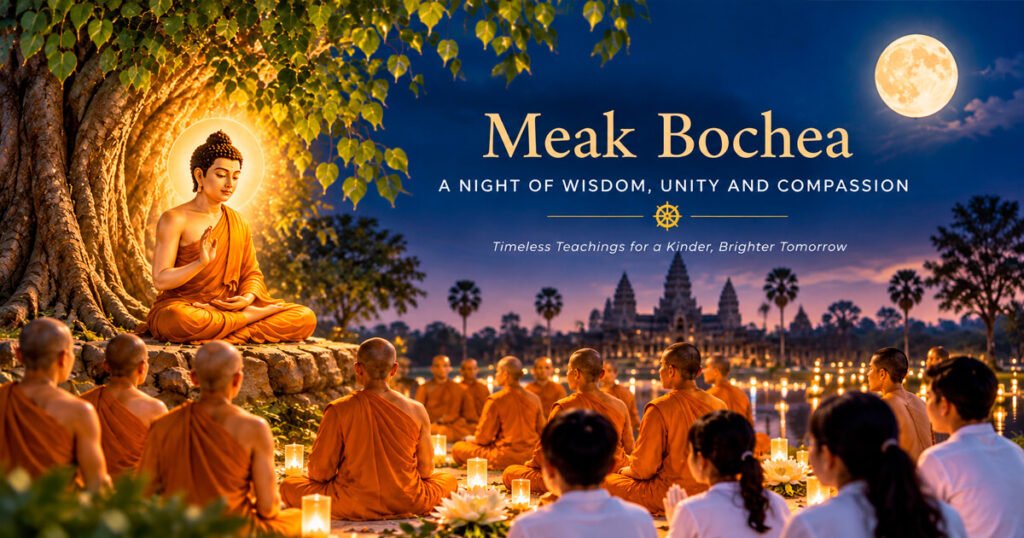
Meak Bochea (Māgha Pūjā) is one of the important holy days of Theravāda Buddhism. Observed on the full moon of the lunar month of Māgha, it commemorates an extraordinary gathering during the lifetime of the Buddha.
According to Buddhist tradition, 1,250 enlightened monks gathered spontaneously in the presence of the Buddha. They had not been called or invited to meet, and all had been ordained by the Buddha himself. Because of these remarkable circumstances, the occasion became known as the Fourfold Assembly.
On this occasion, the Buddha delivered the Ovāda Pāṭimokkha, a teaching that expresses the heart of Buddhist practice in a simple and enduring way:
Refrain from wrongdoing.
Cultivate what is good.
Purify the mind.
These principles remain as meaningful today as they were more than two thousand years ago.
The Meaning of Meak Bochea
The significance of Meak Bochea is not only found in remembering an event from the Buddha’s lifetime. It is also a day to reflect on how we live.
The Buddha’s teaching encourages us to consider our actions, our words and our thoughts. Doing good may be expressed through generosity, patience, compassion and kindness. Avoiding harm means becoming more mindful of how our behaviour affects other people. Purifying the mind encourages us to gradually let go of anger, greed, hatred and harmful thoughts.
For Buddhist families, these teachings can be practised anywhere — at the temple, at home, at school, at work and within the wider community.
Meak Bochea in Cambodian Tradition
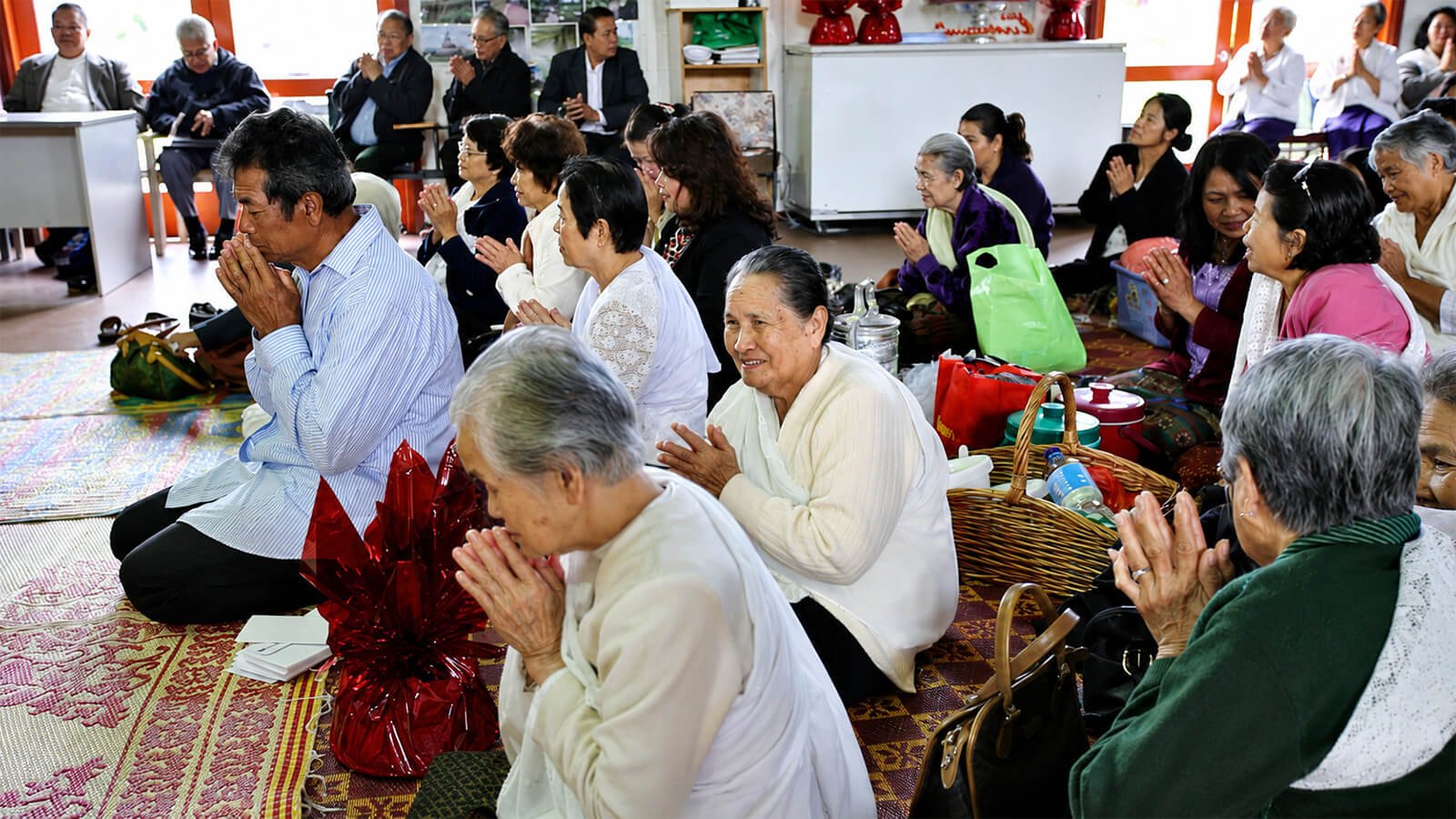
For generations, Cambodian Buddhists have observed Meak Bochea by visiting the pagoda, listening to Dhamma teachings, making offerings to monks, keeping the precepts, praying and making merit.
In Cambodia, important observances continue to take place at pagodas and sacred Buddhist sites, including Oudong, where ceremonies bring monks and laypeople together to remember the Buddha and his teachings.
The occasion is generally quieter than some of Cambodia’s large cultural festivals. Its importance lies less in celebration and more in reflection, merit-making and spiritual practice.
Meak Bochea in Australia
For Cambodian Buddhists living in Australia, Meak Bochea provides an opportunity to continue a tradition that connects faith, family and community.
At the temple, generations can come together in the same space. Elders may recognise ceremonies and teachings they have known throughout their lives, while younger generations have an opportunity to discover their meaning.
Living in Australia does not lessen the meaning of these Buddhist traditions. Instead, the temple provides a place where they can continue naturally within a new generation and a multicultural society.
Children may hear Pāli chanting, see their parents and grandparents offering food to monks, learn to bow respectfully before the Buddha, or listen to a monk explain why kindness and compassion matter. These experiences allow Buddhist teachings to become something they can see and participate in rather than something they know only from books or stories.
A Teaching for Young Cambodian Australians
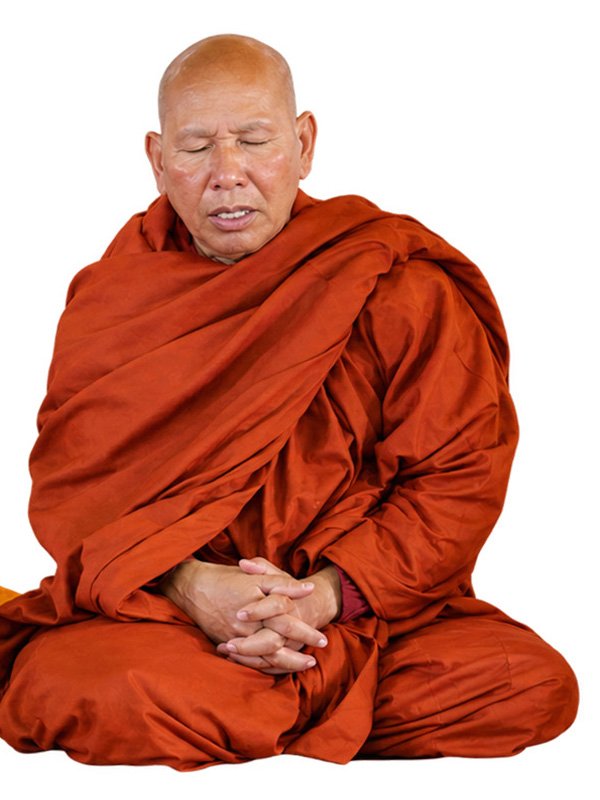
For young Cambodian Australians, the story of Meak Bochea carries a message that does not require a deep knowledge of Buddhist philosophy to understand.
Do not intentionally harm others.
Try to do what is good.
Learn to understand and calm your own mind.
These ideas can be applied to everyday life — showing respect to parents and grandparents, being kind to friends, helping someone who is struggling, speaking thoughtfully, controlling anger and taking responsibility when we make mistakes.
In this way, Buddhism becomes more than a ceremony performed at the temple. Its teachings can guide the choices we make every day.
Learning about Meak Bochea also gives younger Cambodian Australians an opportunity to understand why their families visit the temple, why monks are respected, why offerings are made and why certain days in the Buddhist calendar remain important.
They do not have to experience their Cambodian heritage in exactly the same way as previous generations. By understanding the meaning behind these traditions, they can discover how those traditions belong in their own lives.
Passing the Teaching Forward
A tradition remains meaningful when the next generation understands not only what we do, but why we do it.
When parents and grandparents bring children to the temple, explain a ceremony, teach them a few words of Khmer or Pāli, or simply show them how to offer food respectfully, they are passing on something valuable.
Meak Bochea reminds us that Buddhist teaching has travelled across generations, languages and countries while its essential message remains remarkably simple.
Avoid what is harmful.
Cultivate what is good.
Purify the mind.
For the Cambodian community in Australia, Meak Bochea can therefore be both a sacred Buddhist observance and a gentle opportunity to pass faith, values and cultural understanding from one generation to the next.